Vaginoplasty Surgery in India—Reconstruction, Recovery, and Choosing a Specialist
Vaginoplasty Surgery Is More Than Many People Realize
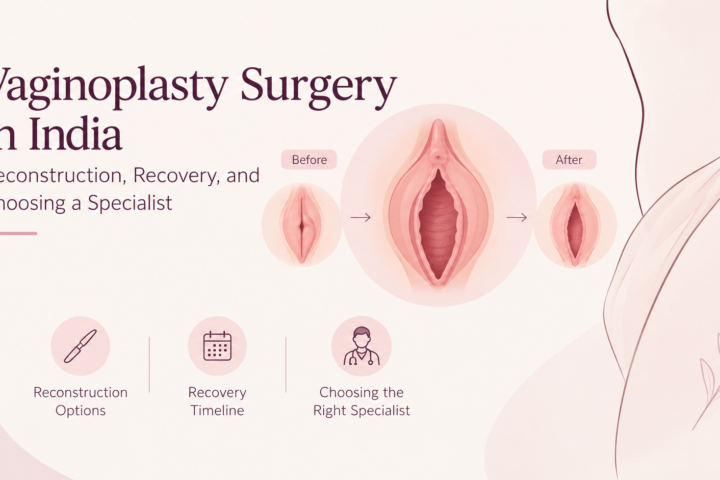
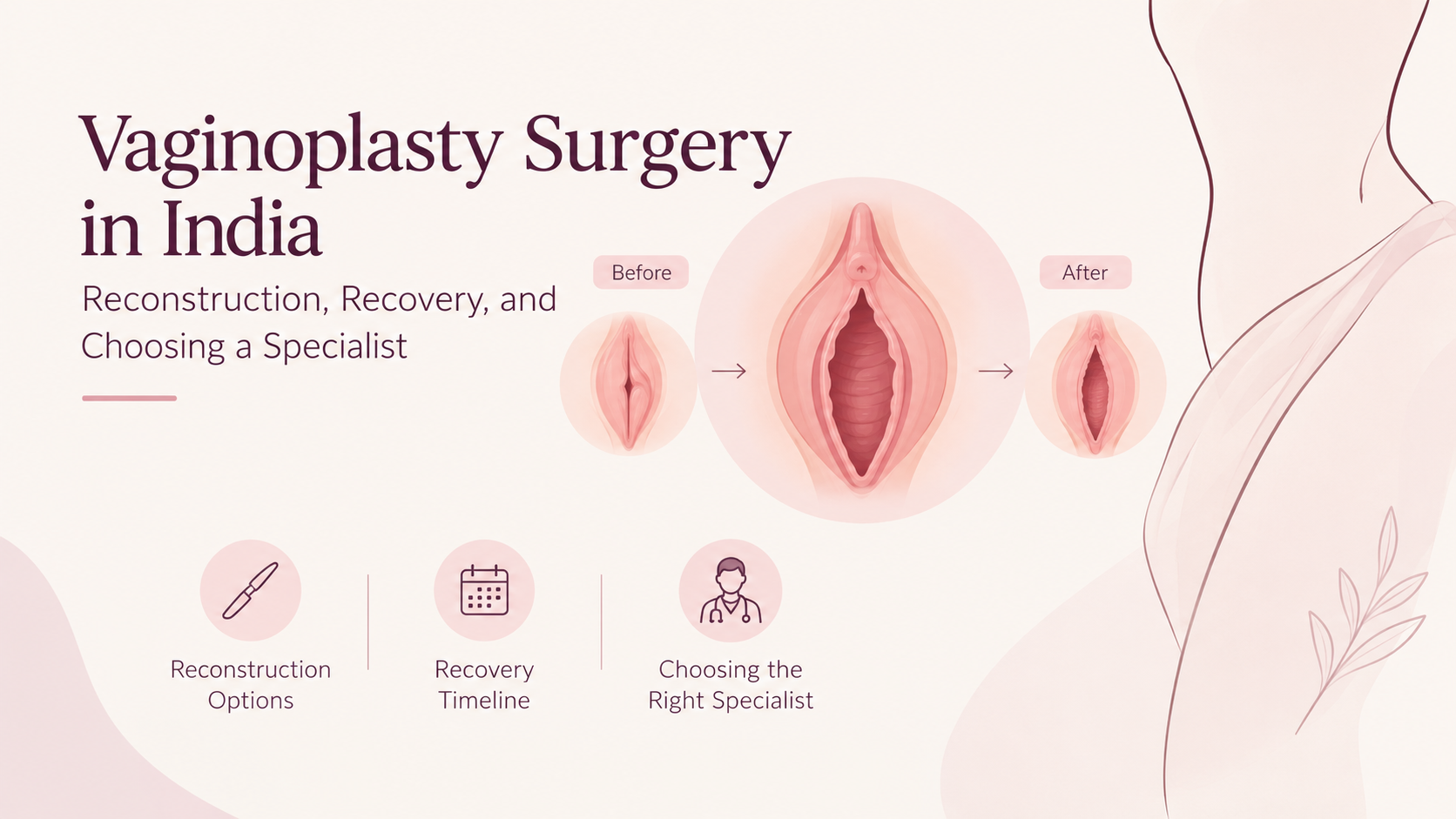
Vaginoplasty surgery is one of the most misunderstood procedures in gynaecology. While many people associate it only with cosmetic treatment, it is most often performed for reconstructive or restorative reasons. Some women require surgery because of congenital conditions such as MRKH syndrome, while others seek treatment after childbirth injuries, pelvic trauma, cancer treatment, or changes affecting comfort and function. You may be researching this procedure for yourself or someone you care about. Whatever your reason, understanding your options can help you make informed decisions with confidence and dignity. This guide explains who may benefit from vaginoplasty, how the procedure is performed, what recovery involves, and how to choose an experienced specialist.
What is vaginoplasty surgery?
Vaginoplasty surgery is an umbrella term for procedures that reconstruct, repair, or restore the vagina depending on an individual’s medical needs. The exact technique varies according to the underlying condition and treatment goals.
Broadly, vaginoplasty may involve—
- Creating a functional vagina for women born with vaginal agenesis or MRKH syndrome.
- Restoring anatomy after childbirth injuries or pelvic trauma.
- Reconstructing the vagina following cancer treatment or previous surgery.
- Improving function and comfort when anatomical changes affect quality of life.
- In selected settings, cosmetic or gender-affirming procedures performed by appropriately trained specialists.
For procedures performed for aesthetic or functional concerns, explore our cosmetic gynecology treatments overview.
Because every patient has unique needs, there is no single approach that suits everyone. A thorough evaluation helps determine the most appropriate surgical plan.
When is vaginoplasty recommended?
A vaginoplasty specialist may recommend surgery for several different medical situations rather than one specific condition.
Common indications include
- Congenital conditions such as MRKH syndrome or vaginal agenesis.
- Birth-related injuries affecting vaginal support or function.
- Reconstruction after pelvic trauma.
- Vaginal reconstruction following cancer treatment.
- Certain reconstructive procedures for pelvic organ prolapse.
- Functional concerns affecting comfort or quality of life.
Gender-affirming vaginoplasty is another recognized indication. If this service is not offered by a particular surgeon, patients should be referred to an appropriate specialist experienced in gender-affirming care.
The decision to proceed with surgery is always individualized and made after discussing symptoms, expectations, overall health, and available alternatives.
Learn more about pelvic organ prolapse surgery.
Vaginoplasty for Vaginal Agenesis (MRKH and Related Conditions)
One of the most specialized forms of vaginoplasty for vaginal agenesis is performed for women with MRKH syndrome, a congenital condition in which the vagina and uterus are absent or underdeveloped despite normal female chromosomes and ovarian function.
Treatment depends on each patient’s anatomy, goals, & preferences. Some women achieve excellent outcomes with vaginal dilator therapy, while others benefit from reconstructive surgery.
Several well-established surgical techniques include
- McIndoe vaginoplasty
- Davydov vaginoplasty
- Vecchietti procedure
Each technique has specific indications, advantages, and limitations. The most appropriate option is determined after careful evaluation by an experienced reconstructive surgeon.
Learn more about MRKH syndrome treatment and reconstruction.
Vaginoplasty Treatment in India—Approaches and Techniques
Today, vaginoplasty treatment in India is performed using modern reconstructive techniques comparable to those available internationally. Many centers offer advanced minimally invasive surgery while providing personalized care and multidisciplinary support.
Depending on the condition being treated, surgery may involve—
- Reconstruction using the patient’s own tissues.
- Minimally invasive laparoscopic techniques in selected cases.
- Combination procedures involving pelvic reconstruction.
- Individualized postoperative rehabilitation, including vaginal dilator therapy where appropriate.
For many patients, India offers access to experienced specialists and advanced surgical facilities while remaining more affordable than treatment in many Western countries.
Vaginal Reconstruction Surgery vs. Vaginal Repair Surgery
Although these terms are sometimes used interchangeably, they describe different procedures.
Vaginal reconstruction surgery is performed to create or restore the vagina when it is absent, severely damaged, or affected by congenital conditions, trauma, or cancer treatment.
Vaginal repair surgery, on the other hand, addresses structural problems such as vaginal laxity, childbirth-related tears, pelvic floor defects, or support issues. These procedures aim to improve anatomy, function, and quality of life rather than create a new vaginal canal.
Your surgeon will recommend the most appropriate procedure based on your diagnosis, symptoms, and long-term goals.
Reconstructive Gynecological Surgery—What to Expect
Every patient’s journey begins with a detailed consultation. Your specialist will review your medical history, examine your condition, discuss your expectations, and explain the available treatment options.
Depending on the reason for surgery, your evaluation may include
- A pelvic examination
- Imaging tests such as ultrasound or MRI in selected cases
- Routine blood investigations
- Assessment of overall health and fitness for anesthesia
The surgical plan is then tailored to your anatomy, medical condition, and desired functional outcome. In complex cases, treatment may involve a multidisciplinary team to ensure comprehensive care.
How to Prepare for Vaginoplasty Surgery?
Good preparation helps support a smoother recovery and allows you to understand what to expect before and after surgery.
Your doctor may advise you to—
- Share your complete medical and surgical history.
- Discuss all medications and supplements you are taking.
- Complete any recommended blood tests or imaging.
- Stop smoking if advised, as it may affect healing.
- Follow fasting instructions if general anesthesia is planned.
- Arrange for someone to accompany you home and assist during the first few days after surgery.
Your surgeon will also explain postoperative care, activity restrictions, and follow-up appointments before the procedure.
The Procedure Step-by-Step
The exact steps vary depending on the indication and surgical technique, but a typical vaginoplasty surgery generally involves-
- Administration of appropriate anesthesia.
- Preparation of the surgical site.
- Reconstruction or repair using the planned technique.
- Careful closure while preserving function and surrounding structures.
- Postoperative monitoring before discharge.
Some procedures are performed using minimally invasive laparoscopic techniques, while others require different reconstructive approaches depending on the patient’s condition.
The primary goal is to achieve the best possible functional outcome while prioritizing patient safety.
Vaginoplasty Recovery — Timeline and Care
Recovery varies according to the type of surgery performed, the underlying condition, and each patient’s overall health.
First Few Days
Mild discomfort, swelling, and fatigue are common. Pain is usually managed with prescribed medication, and your healthcare team will provide detailed wound care instructions.
First Few Weeks
Most patients gradually return to light daily activities while avoiding heavy lifting and strenuous exercise. Your doctor will advise when it is safe to resume work, depending on the nature of your job.
Long-Term Recovery
Complete healing takes time, and regular follow-up appointments are important. In reconstructive procedures for vaginal agenesis, vaginal dilator therapy may be recommended to help maintain the surgical outcome. Recovery plans are always individualized based on the procedure performed.
Emotional and Sexual Wellbeing After Surgery
For many women, vaginoplasty surgery represents more than a physical procedure. It can have a meaningful impact on confidence, body image, intimate relationships, and overall quality of life.
Emotional adjustment varies from person to person. Some patients benefit from counselling, psychological support, or connecting with support groups, particularly when surgery is performed for congenital conditions such as MRKH syndrome or after cancer treatment.
When appropriate healing has occurred, many women can resume sexual activity following their surgeon’s guidance. Open communication with your healthcare team helps ensure expectations, concerns, and recovery goals are addressed throughout the process.
Women experiencing pain during intercourse or pelvic floor muscle tightness may also benefit from vaginismus management.
Choosing a Vaginoplasty Specialist in India
Choosing an experienced vaginoplasty specialist is one of the most important decisions in your treatment journey.
Look for a surgeon who—
- Has experience in reconstructive gynaecological surgery.
- Performs advanced laparoscopic and pelvic reconstructive procedures.
- Offers personalized treatment based on your diagnosis and goals.
- Explains benefits, risks, alternatives, and expected recovery clearly.
- Provides comprehensive follow-up and long-term support.
Patients with complex congenital conditions, previous pelvic surgery, or reconstructive needs often benefit from treatment at centers experienced in advanced pelvic reconstruction and multidisciplinary care.
Depending on the patient’s concerns, related procedures such as the labiaplasty procedure may also be discussed when medically appropriate.
Final Words
Vaginoplasty surgery is a highly specialized reconstructive procedure that can restore anatomy, improve function, and enhance quality of life for women with a range of congenital and acquired conditions. Whether performed for vaginal agenesis, pelvic trauma, cancer-related reconstruction, or other medical indications, the treatment plan should always be individualized based on the patient’s needs and long-term goals.
Understanding the purpose of surgery, the available techniques, and the expected recovery can help patients make informed decisions with confidence. Equally important is choosing an experienced reconstructive gynaecological surgeon who provides compassionate, evidence-based care and long-term support throughout the treatment journey.
If you have been advised to undergo vaginoplasty or would like to explore your treatment options, consulting a qualified specialist is the first step toward determining the most appropriate approach for your individual condition.
To discuss vaginoplasty options privately with Dr. Indira Sarin, WhatsApp +91 77259 24746 or book a consultation at Urja Medicenter, Jaipur. All consultations are confidential.
FAQs
Q1. Is vaginoplasty only for cosmetic reasons?
A1. No. Vaginoplasty is primarily a reconstructive procedure. It is performed for congenital conditions like MRKH, for repair after childbirth injury, after cancer treatment, or for functional reasons like discomfort or altered anatomy after childbirth. Purely cosmetic vaginoplasty is a small subset of what specialists actually do.
Q2. How long is recovery after vaginoplasty?
A2.Initial recovery takes 4 to 6 weeks, during which you rest, follow post-operative care, and may use dilators as prescribed. Return to full activity, including intimacy, is usually around 8 to 12 weeks. Full internal healing continues over several months. Your specialist will guide you based on the type of procedure.
Q3. Will sensation and sexual function be preserved after vaginoplasty?
A3. Yes, in the vast majority of cases. Modern reconstruction techniques carefully preserve the external genitalia, clitoris, and nerve supply. Most women report normal or near-normal sensation, lubrication, and orgasm after full recovery. Realistic expectations and follow-up care matter for the best outcomes.
Q4. How much does vaginoplasty surgery cost in India?
A4. Cost varies significantly depending on the type of procedure, complexity, hospital, and surgeon experience. Vaginoplasty in India typically costs a fraction of comparable procedures in the US, UK, or Australia while offering the same quality of care with experienced specialists. Your specialist will provide a specific estimate after consultation.
Q5. Is vaginoplasty covered by health insurance?
A5. Reconstructive vaginoplasty for congenital conditions, post-cancer repair, or trauma is often covered by health insurance. Purely cosmetic vaginoplasty is typically not covered. Insurance approval depends on the medical indication and the specific policy. Your specialist’s office can help you understand what documentation is needed.
Q7. How soon can I return to normal life after vaginoplasty surgery?
A7. Most women return to desk work in 2 to 3 weeks, light physical activity in 4 to 6 weeks, and full activity, including exercise and intimacy, in 8 to 12 weeks. Recovery timelines vary by the type of vaginoplasty performed. Follow your specialist’s specific guidance.
Q8. What is the difference between vaginoplasty and labiaplasty?
A8. Vaginoplasty addresses the vaginal canal, its reconstruction, repair, or tightening. Labiaplasty addresses the labia, the outer folds of skin. They are separate procedures with different purposes, though they can sometimes be performed together depending on the patient’s goals and anatomy.