Pelvic Organ Prolapse in Elderly Women: A 90-Year-Old’s Journey
Growing older often brings health challenges. But age alone doesn’t determine whether someone needs treatment. In this paper, we share the case of pelvic organ prolapse treatment in an elderly woman. It shows how thoughtful medical evaluation & individualized care are crucial. These restore comfort, function, & dignity. This can happen even in very old age.
A 90-year-old woman came to Dr. Indira Sarin. She was dealing with many age-related challenges. She was confused. Her kidneys were failing. She was living with severe prolapse. This included her bladder, uterus, & bowel. She was undergoing dialysis & other medical procedures. But her condition didn’t improve.
Every treatment decision carried major risks. So, many people are asking 1 main question.
Does old age mean no more treatment?
Just like this patient’s journey, the answer isn’t every time yes.
When Does Pelvic Organ Prolapse Become Severe?
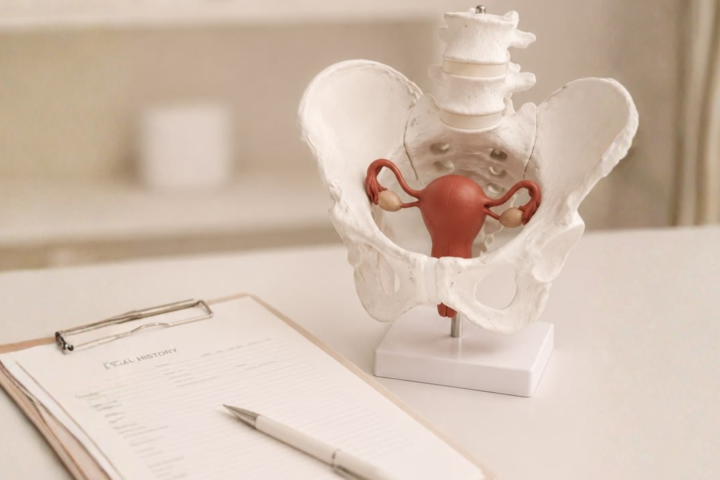
Pelvic organ prolapse occurs when muscles & supporting tissues of the pelvis become weak. This allows one or more pelvic organs to come down from their normal position.
According to the affected organs, prolapse may include:
- Bladder prolapse (cystocele): Here, the bladder bulges into the vaginal wall.
- Uterine prolapse: The uterus slopes into or beyond the vaginal opening.
- Bowel prolapse (rectocele or other forms of prolapse): Here, part of the bowel pushes against the wall of the vagina.
Mild prolapse may cause few symptoms. But severe pelvic organ prolapse can ruin day-to-day life. Women may experience a sensation of heaviness. Or they may deal with pressure in the pelvis. There can also be a visible bulge from the vagina or difficulty passing urine.
Other signs are incomplete bladder emptying, urinary leakage, constipation, bowel problems, etc.
In older ladies, these symptoms can become increasingly disabling. These start to affect independence & overall life. In some cases, severe prolapse can cause urinary obstruction and kidney-related complications. So, timely medical evaluation becomes even more critical.
A 90-Year-Old Patient With Multiple Challenges
At 90 years of age, she had severe pelvic organ prolapse. Alongside the prolapse, she was experiencing kidney-related complications. Her kidneys were failing! She had already undergone dialysis and previous procedures. Still, her condition had not improved.
Her illness ruined her physical health. She arrived confused, reflecting the complexity of her medical condition. Her family and our team were in deep trouble.
This was not a straightforward case. We didn’t just have 1 problem to fix. Every aspect of her health required a careful checkup.
Why Treatment Requires Careful Planning?
Are you thinking about prolapse treatment in older women? Well, doctors never make decisions just on the basis of age.
Rather, treatment planning requires checking out several factors. See below:
- Total physical health
- Kidney functioning
- Prolapse severity
- Preceding therapeutic methods
- Anesthesia-related dangers
- Functional ability
- Expected improvement
- Balance between possible benefits & surgical risks
For medically complex patients, every option must be weighed carefully. In some situations, conservative management may be correct. In others, delaying treatment can let symptoms worsen.
This particular case highlights an important principle in modern medicine. It is:
Chronological age can’t determine whether surgery is right. Individual assessment is the cornerstone of safe, patient-centered care.
Choosing Laparoscopic Pelvic Reconstructive Surgery
After careful evaluation, the decision was made to proceed with laparoscopic pelvic reconstructive surgery.
Laparoscopic surgery is a minimally invasive surgical approach. This uses small incisions and specialized instruments. Doctors perform complex procedures inside the abdomen.
Laparoscopic techniques offer advantages for selected patients. However, the best surgical approach always hinges on the man’s or woman’s condition.
Pelvic reconstructive surgery restores support to the pelvic organs. This will improve their position & functionality. The specific procedure varies. This depends on the organs involved & each patient’s overall health.
Our team had to deal with her severe prolapse. We were extra careful about the bladder, uterus, and bowel. Her safety & the chance to augment her life were our top priorities.
From a Stretcher to Walking With Her Family
This journey was filled with uncertainty.
She had endured kidney-related complications. She had gone through several dialysis sessions. She was carrying the physical & emotional pain of severe prolapse.
There were no easy decisions. Every step demanded a cautious decision.
After her surgery, one moment stood out!
She didn’t leave on a stretcher. Rather, she walked toward her family with a smile.
That simple act was much more than physical movement. It reflected renewed dignity & greater independence. This also meant that she could enjoy time with her loved ones.
Every patient’s recovery is unique & the outcomes differ. But moments like these remind healthcare professionals why personalized treatment can be so vital.
What Does This Case Teach Us About Pelvic Organ Prolapse Treatment in Elderly Women?
1. Pelvic organ prolapse in elderly women should never be dismissed.
Prolapse becomes more common with advancing age. And persistent symptoms deserve proper medical evaluation.
2. Old age doesn’t rule out surgery.
Many older adults may be fit for treatment after a comprehensive medical assessment. This considers their overall health, functional status, & personal aims.
3. Treatment should always be customized according to the person.
Some women may benefit from lifestyle measures. They may get help from pelvic floor therapy or pessary management. Meanwhile, others with hi-fi complications require pelvic organ prolapse surgery.
4. The objective of an operation is not only to fix a human body.
The ultimate goals are improving comfort & restoring function. Plus, doctors also want to maintain their independence & augment their living standards.
When Should an Elderly Woman See a Urogynecologist?
Are you facing symptoms of prolapse? Then, don’t wait until the condition becomes severe.
Consulting a urogynecologist for pelvic organ prolapse is the best choice. Watch for any of these:
- Vaginal bulge
- Pelvic pressure or heaviness
- Vaginal tissue protruding
- Trouble urinating
- Difficulty completely emptying the bladder
- Too much urinary leakage
- Constipation/bowel difficulties
- Pelvic discomfort impacting day-to-day activities
- Symptoms continuing to worsen gradually
Early evaluation empowers patients. They can understand the available treatment options. Then, complications show up.
A Final Thought
This patient’s journey reminds us one thing.
Growing older doesn’t have to mean giving up on quality of life.
Severe pelvic organ prolapse deserves a close checkup. A doctor must not just think about age. Treatment decisions should always be based on the individual’s health.
Is your loved one experiencing symptoms of pelvic organ prolapse? Then consult a qualified urogynecologist to determine the most appropriate treatment approach. This will be based on your specific needs.
Dr. Indira Sarin has once again shown the world:
“We don’t heal people because we’re extraordinary. We heal because we’re blessed to become instruments in God’s hands.”
FAQs
Q1. Can elderly women undergo pelvic organ prolapse surgery?
A1. Yes. Surgery may be considered for elderly women. But this has to take place only after a thorough medical assessment. Treatment decisions depend on overall health & functional status. Plus, the severity of symptoms matters in this case. And doctors need to look at the balance of likely paybacks & risks, not just a patient’s age.
Q2. Is pelvic organ prolapse dangerous in older women?
A2. Pelvic organ prolapse is not always dangerous. But there are certain cases that affect urinary function & bowel function. These may also ruin mobility & life quality. Some patients can develop other complications. They will have to seek rapid medical assistance.
Q3. What is pelvic reconstructive surgery?
A3. Pelvic reconstructive surgery is a group of procedures. These are designed to restore support to pelvic organs. These organs have prolapsed. The exact surgical technique depends on the patient’s condition. Also, the organs involved are very important in this.
Q4. Can laparoscopic surgery be used for pelvic organ prolapse?
A4. Yes. In selected patients, laparoscopic pelvic surgery can be used. This operation means performing pelvic reconstructive procedures. The patient’s medical evaluation & surgical planning are important factors to determine if the approach is right.
Q5. What are the treatment options for pelvic organ prolapse?
A5. Treatment options may include pelvic floor exercises & lifestyle modifications. Plus, there can be pessary use or surgery. The most suitable option hinges on symptom severity. Also, overall health & patient preferences are important.
Q6. Should an elderly woman with prolapse see a urogynecologist?
A6. Yes. A urogynecologist has specialized expertise in diagnosis. He/she can deal with pelvic floor disorders. Women facing bothersome signs should seek help quickly. They will be able to understand the most appropriate treatment options right for their circumstance.