Kegel Exercises for Bladder Control: A Step-by-Step Guide
More than most women realise, bladder control problems are a common occurrence, and they often are not discussed openly. I see a lot of women who have been suffering from urinary leakage, urgency, or pelvic discomfort for years, without realising it is not a normal part of being a woman or having had children. It isn’t.
If performed properly, Kegel exercises may be one of the most powerful, non-surgical methods for improving bladder control. The reality is that most women do them wrong, and in some instances it may exacerbate symptoms. This guide will help you not only to know what to do but also how to do Kegel exercises correctly.
What Are Kegel Exercises?
Kegel exercises involve a controlled contraction and relaxation of the pelvic floor muscles that hold up the bladder, uterus, and bowel and are designed to help increase bladder control and stability in the pelvis.
Which muscles do Kegels target?
Kegels, in particular, target the muscles of the pelvic floor, the ones that surround the urethra, vagina, and rectum. These muscles regulate urine flow and aid pelvic organs.
Why does pelvic floor strength matter for bladder health?
The strength of the pelvic floor is essential for bladder health. Lack of support from weak pelvic muscles can cause Kegels for urinary incontinence, urgency, and even prolapse of the pelvic organs. Strengthening them helps to control them and to decrease leaking significantly.
Who benefits most from Kegel exercises?
Kegel exercises are most beneficial for women.
- Women after childbirth
- Women who have leakage of urine.
- Women in the process of menopause and postmenopausal women
Anyone who has been treated by pelvic surgery or is recovering from an operation in the pelvis.
Does Your Pelvic Floor Need Strengthening? Signs to Look For
A lot of women don’t know that their symptoms are related to weakness in their pelvic floor. Be alert to these symptoms:
- Running or leaking urine during physical activity, such as running, sneezing, or laughing
- Inability to postpone urination, or a need to urinate immediately
- Heavy sensation or a dragging sensation in the pelvic area
- A decreased sense of feeling during sex
- Vaginal delivery, pelvic surgery, or menopause
If you identify with one or more of these, then a good pelvic floor exercises women programme may be of benefit to you, but it needs to be done properly.
How to Find Your Pelvic Floor Muscles
To identify the muscles of the pelvic floor, try this:
The “stop the flow” method — and why NOT to use it every time
A good way to locate your pelvic floor muscles is to attempt to halt the urine flow while urinating. If you can do that, you’re engaging the correct muscles. This is a one-time test, however, not a regular exercise, as it may interfere with Kegel exercises for bladder control.
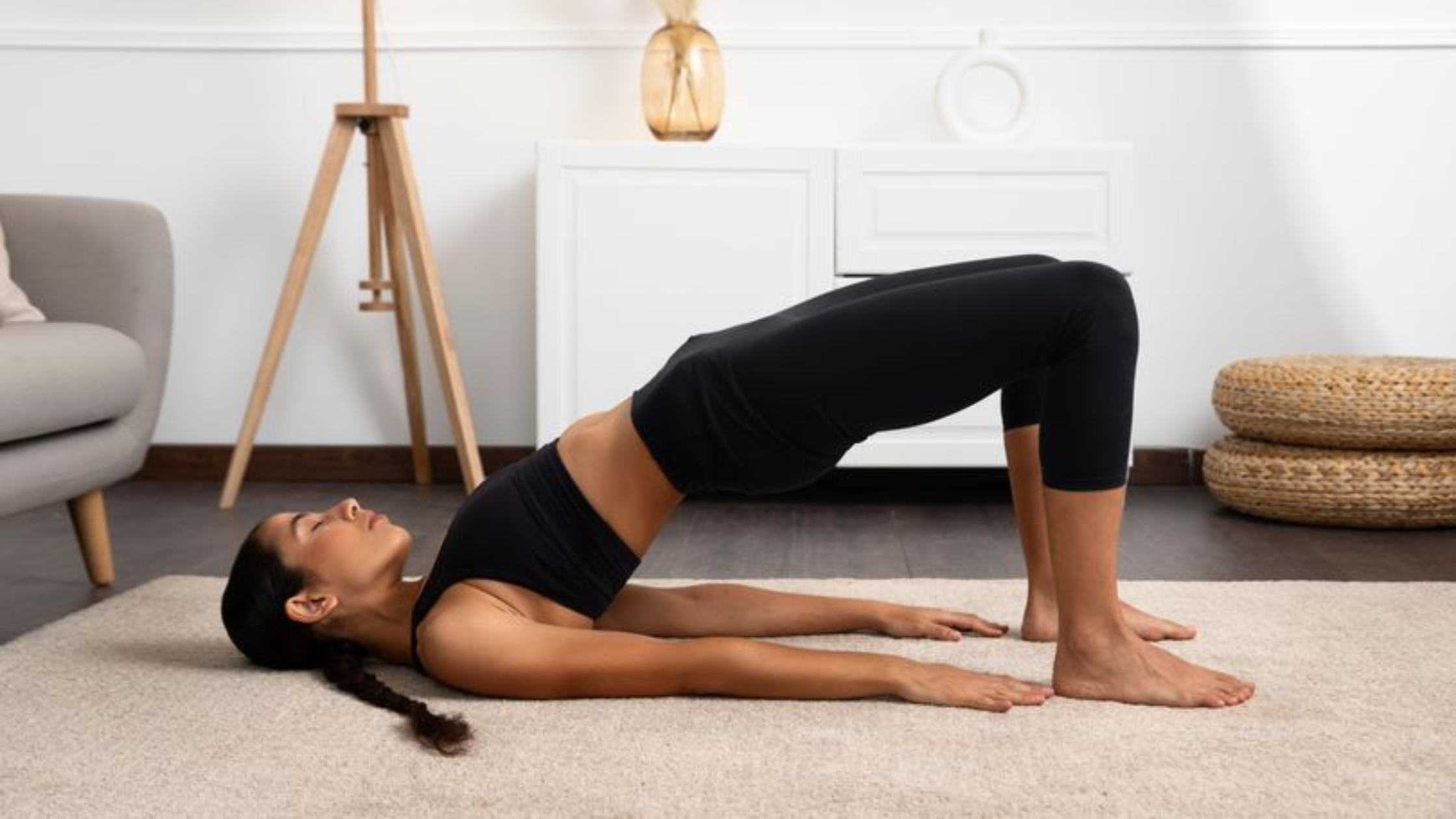
Lying-down technique for first-timers
Lie down first; then the body will be more comfortable. Now imagine that you want to tighten and lift the muscles around your vagina and anus at the same time, like if you didn’t want to fart. Now, as if you don’t want to fart, you try to tighten and lift the muscles around your vagina and anus at the same time.
Common errors
Many women are unaware of using the right muscles:
- Tightening the abdomen
- Squeezing the buttocks
- Clenching thighs
These tend to decrease effectiveness and can lead to strain.
How to know if you’re doing it right?
The only way to find out if you’re doing it right is to ask.
- You know you feel a touch of lift internally
- Your tummy, thighs and bottom remain loose
- Holding the contraction, you can breathe normally
Step-by-Step Kegel Exercise Technique
To perform the Kegel exercise correctly, follow these steps:
Step 1 — Choose your starting position.
Start lying down or sitting in a relaxed position. Once he/she is in control, you can practise standing.
Step 2 — Isolate and contract (3–5 seconds to start)
Isolate and contract the pelvic floor muscles. Initially contract the pelvic floor muscles and then hold the contraction for 3–5 seconds. Avoid holding your breath.
Step 3 —Fully release and rest (equally important)
Spend the rest of the time relaxing completely. Take a completely deep breath in for the same amount of time. This is a crucial part of the process as well as the contraction phase.
Step 4 — Repetitions and sets — beginner to advanced
Perform reps and sets. Begin with 10 reps per set and work up to 3 sets a day.
Step 5 — Progressing over weeks 1–12
Build also the hold time and endurance over a period of 8-12 weeks. Stability is more important than force.
Kegel Exercise Programme — Week by Week
The Kegel Exercise Programme is conducted over 12 weeks.
Week Range | Hold Time | Repetitions | Sets per Day |
Week 1–2 | 3 seconds | 10 reps | 3 sets |
Week 3–4 | 5 seconds | 10 reps | 3 sets |
Week 5–8 | 8–10 seconds | 10 reps | 3 sets |
Week 9–12 | 10 seconds | 15 reps | 3 sets |
In my experience, women who follow a structured programme are far more likely to see improvement than those doing random exercises.
Common Mistakes That Make Kegels Ineffective
The most frequent errors people make with kegels make them ineffective.
However, despite being very motivated, patients have repeatedly failed due to simple but very important errors:
Holding your breath
Instead of breathing normally, you hold your breath for a while. Breathing normally is replaced by holding your breath for a while.
Squeezing the wrong muscles
Don’t use the wrong muscles, such as the abdomen or thighs.
Not releasing fully between contractions
Not relaxing completely between contractions
Expecting results in days instead of weeks
Quickly anticipate outcomes in a few days, rather than weeks.
Doing Kegels when you actually have a hypertonic (too-tight) pelvic floor
A tight (hypertonic) pelvic floor is when the muscles are tight, short, and firm. With pushing, the right technique is key. Otherwise, results are restricted.
When Kegel Exercises Are NOT Enough — Or Could Make Things Worse
If Kegel exercises are not enough—or potentially even worse—there are other strategies you can employ. Kegels are great, but not always suitable.
Hypertonic pelvic floor — when your muscles are too tight
If you have tight pelvic muscles, Kegels may exacerbate pain, discomfort, and urinary problems. These cases need relaxation therapy and not strengthening therapy.
Moderate-to-severe prolapse — Kegels won’t hold it up
It is not possible to “lift” an advanced prolapse with Kegels. They can be beneficial in managing symptoms but cannot undo structural changes.
Advanced urinary incontinence that doesn’t improve
If there is no improvement in symptoms after 10–12 weeks, more tests are required.
Post-surgical recovery
Exercises need to be individually prescribed following pelvic surgery by a specialist physiotherapist.
This is one of the reasons why it can be difficult to properly care for an individual until they have gone through a self-diagnosis.
Kegel Exercises vs. Pelvic Floor Physiotherapy — What’s the Difference?
Kegel exercises and pelvic floor physio are both helpful for strengthening the pelvic floor.
What a specialist physiotherapist does that self-guided Kegels can’t?
A specialist physiotherapist can provide the following services. A specialist physiotherapist can offer you the following services. Pelvic floor muscle strength, co-ordination and tone are assessed by a trained pelvic floor physio, which you cannot assess yourself.
When to graduate to professional pelvic floor rehab?
- No improvement was noted after three months.
- Pain during exercises
- Poor awareness of which muscles to use
- Any complicated issues, such as prolapse or intense incontinence
The role of biofeedback in getting technique right
Biofeedback uses sensors to provide feedback on muscle activity in real-time and facilitate quicker and more efficient learning of the appropriate technique. In clinics, it’s usually best to use guided therapy in conjunction with exercises.
FAQs
Q1. How long before Kegel exercises show results?
Most women will start to see improvements in 6-12 weeks when performed as directed.
Q2. Can I do Kegel exercises during pregnancy?
Yes, Kegel exercises can provide various advantages when performed during pregnancy by preparing the pelvic floor for both childbirth and the recovery phase.
Q3. Can men benefit from Kegel exercises?
Yes, Kegel exercises can help men suffering from urinary problems as well as those recovering from prostate surgery.
Q4. Are there any risks to doing Kegels?
If performed incorrectly, Kegel exercises might cause discomfort and problems in certain pelvic floor conditions.
Q5. How do I know if my Kegel exercises are working?
The main signs of successful Kegel exercises are an increase in bladder control and reduced frequency of upsurging.
Final Words
Kegel exercises are easy to understand but hard to perform properly, leading to significant results in bladder control. Sometimes, however, they do not work effectively, which is likely to be explained by technique or a more serious issue.
“If Kegel exercises aren’t relieving your symptoms after 12 weeks, a specialist assessment can identify exactly what’s going wrong. Book with Dr Sarin.”